
Growing My Real Estate Empire from 2 to 20 Units
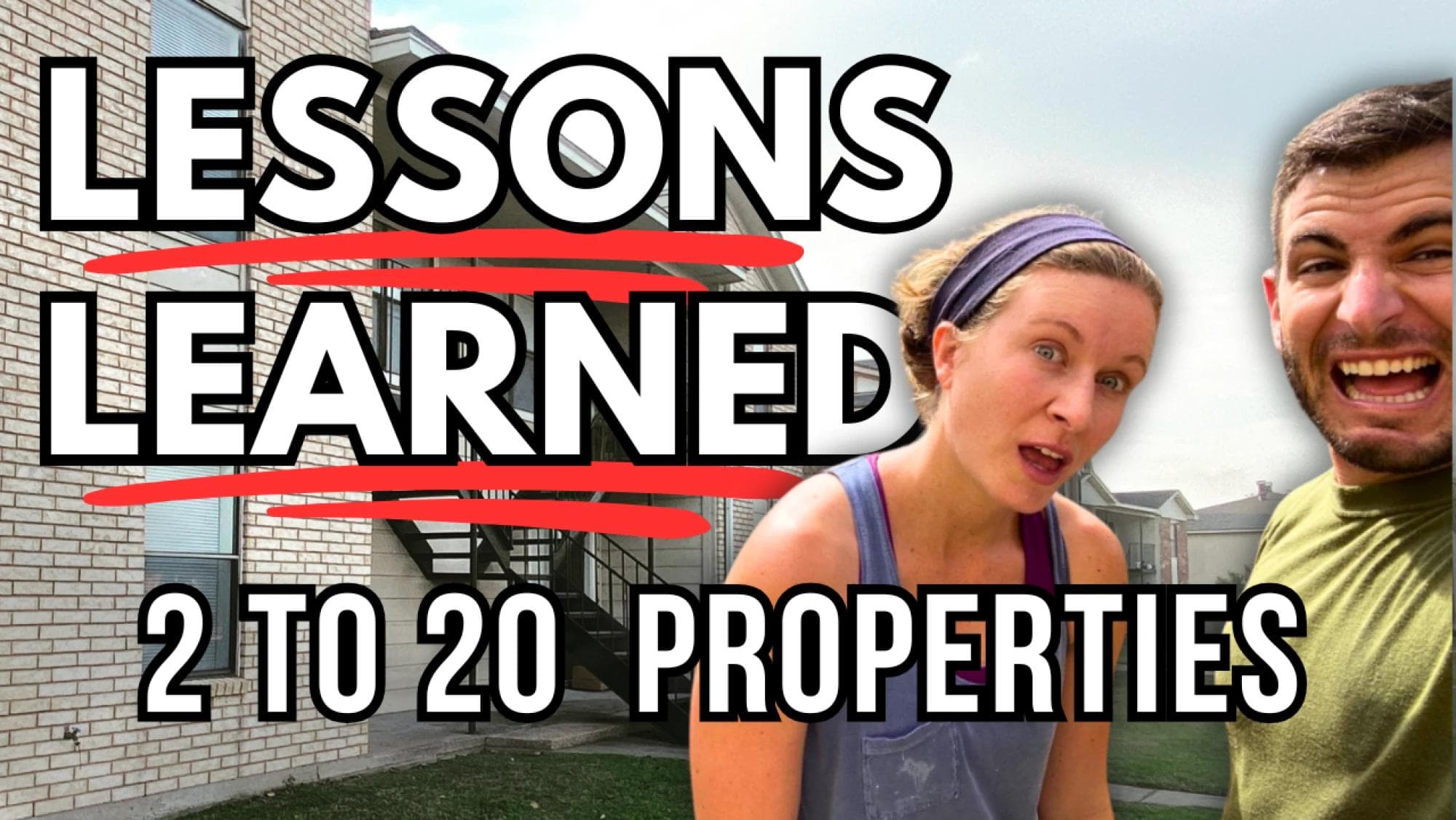
In this video, I break down exactly how I scaled my real estate portfolio from just 2 rental units to 20 in only two years. I'll share the mistakes I made, the lessons I learned, and the strategies that helped me grow fast while avoiding major pitfalls.
Greg Schwartz
March 21, 2025
Growing My Real Estate Empire from 2 to 20 Units
In only two years!!
A few years ago, I didn’t own a single investment property. Today, I have a growing portfolio, and what really kickstarted my journey was going from 2 to 20 units in just two years. It wasn’t easy, and I learned a lot of lessons—some the hard way.
I’m Greg Schwartz, a Marine Corps helicopter pilot turned real estate investor and agent. My mission is to grow my wealth and help my clients do the same through real estate in Bryan and College Station, Texas. In this post, I’ll share the key lessons I learned on my journey so you can avoid my mistakes and accelerate your own success in real estate investing.
Lesson 1: Invest Close to Home
My first investment property was in Huntsville, Alabama, while I was living in Wilmington, North Carolina. I never visited the market before buying and only went to the property twice in two years.
What I learned? If you want to scale, it helps to invest in your own backyard.Managing properties from afar—especially early on—can be a logistical nightmare. I was fortunate to later move to Bryan-College Station, where I could actively manage my investments and build my portfolio more efficiently.
Lesson 2: House Hack to Scale Faster
House hacking—living in a property while renting out part of it—is a game-changer. I started by buying a fourplex, living in one unit, and fixing up the others.
House hacking did three major things for me:
- It reduced my living expenses while generating rental income.
- It gave me hands-on experience in property management and renovations.
- It built confidence in myself and my systems, which helped attractfuture partners.
Even now, I still house hack because of its financial and strategic benefits. If you have the opportunity to do it, I highly recommend it
Lesson 3: Always Review Leases and Confirm Occupancy
Twice, I made the mistake of not properly vetting inherited tenants when buying rental properties.
In Huntsville, I didn’t check the tenant ledger, leases, or even applications. I had no idea if they were paying rent or if they were qualified. Turns out, my property manager didn’t even feel safe going inside without a gun.
Then, when buying my first fourplex in Bryan-College Station, I assumed two units were occupied. One tenant skipped town before closing, and the other stopped paying rent immediately after. Worse, I had no paperwork on them—no driver’s license, no Social Security number—so I had no way to collect unpaid rent.
Lesson learned: Always review leases, tenant ledgers, and applications before closing. Verify that tenants are actually paying and still living there.
Lesson 5: Actions Speak Louder Than Words
Before I owned rental properties, I talked a lot about investing. But it wasn’t until I actually bought and managed properties that people took me seriously.
By house hacking my fourplex and proving I could manage a renovation, I convinced a partner to go in on three more fourplexes—12 units in one deal. Later, I secured a $100,000 renovation loan for a live-in flip because I had built a track record.
Want people to invest with you? Take action first. Buy a property, prove your ability, and opportunities will come.
Lesson 6: Double Your Renovation Budget
I underestimated my renovation budget—twice.
For my live-in flip, I estimated $100,000 in renovations. In reality, I spent $200,000. My spreadsheet looked great on paper, but I didn’t account for unexpected costs.
If you’re new to big renovation projects, I suggest doubling your budget estimate. Even experienced investors should add a 25% buffer to avoid financial surprises.
Lesson 7: Avoid the Shiny Object Syndrome
In real estate investing, it’s tempting to chase new strategies, markets, or property types. But every time I strayed too far from what I knew, I got burned.
I tried Airbnb with one room in my house and made a few thousand dollars. Thinking I was an expert, I bought a 1960s Airstream trailer to rent out. That “shiny object” turned into a costly mistake.
Stick to what works. Master one strategy before moving on to the next.
Final Thoughts
Growing from 2 to 20 investment properties in two years wasn’t easy, but these lessons made all the difference. If you’re serious about building your portfolio, focus on:
✅ Investing close to home
✅ House hacking to start
✅ Reviewing leases and tenants
✅ Treating tenants well
✅ Taking action over talking
✅ Budgetingconservatively for renovations
✅ Sticking to proven strategies
I hope you can use these lessons to accelerate your own journey in real estate investing. If you’re looking for investment opportunities in Bryan and College Station, let’s connect!
For more information on the housing market and investing in
Bryan / College Station check out my Youtube channel
About Greg Schwartz
Marine veteran and founder of Schwartz Realty Group
Free Real Estate Calculators
Run the numbers on a Bryan College Station property with our free tools.